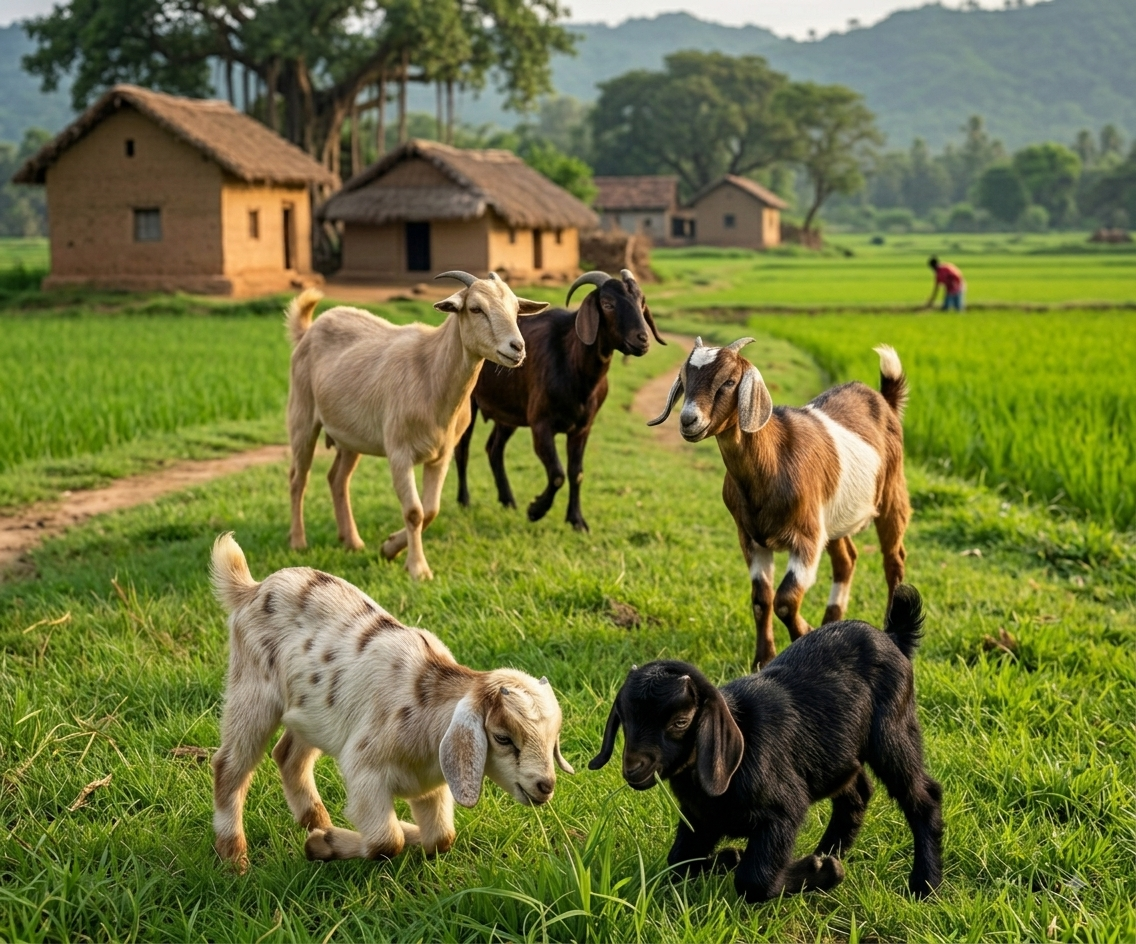
Life in the Village: The Adorable Goats of Our Countryside
There is a quiet, rhythmic charm to rural life that often goes completely unnoticed by those living in busy, fast-paced urban centers. Among the lush green fields, narrow dirt pathways, and open skies, the livestock of the countryside bring a unique warmth, personality, and vibrant energy to everyday village existence. Of all the domestic animals that roam these open landscapes, few are as endearing, lively, and captivatingly curious as the local goats. From playful young kids bouncing through the pastures to gentle adult herds grazing alongside flourishing agricultural crops, these creatures are far more than mere farm animals—they are an essential, heart-warming part of our village’s identity, daily culture, and agricultural heartbeat.
Walking through the countryside on any given morning reveals a rich tapestry of pastoral beauty. The air is crisp and unpolluted, filled with the fresh scent of damp soil, growing crops, and wild foliage. Amidst this pristine setting, small groups of goats navigate the terrain with unmatched agility and playful spirit. Whether they are balancing effortlessly along narrow earthen embankments or resting peacefully beneath the expansive shade of a local banyan tree, their presence breathes life into the tranquil surroundings, reminding us of the simple, timeless connection between nature and community.
The Daily Rhythm and Routine of Village Goats
Early in the morning, as the sun begins to cast its golden light over the horizon, the village naturally comes alive with the distant, familiar sound of bleating goats. Local farmers and families unlatch the wooden gates of their livestock shelters, releasing their herds to roam freely across grassy pastures, orchard edges, and community grazing lands. Watching these animals transition from their shelters into the open countryside is a delightful daily spectacle that highlights their diverse behaviors and social structures:
- Curious and Inquisitive Explorers: Goats are naturally investigative animals that rarely remain stationary for extended periods. As they move through the landscape, they wander along field borders, inspect small drainage channels, explore narrow walking paths, and closely examine every fresh patch of green vegetation they encounter. Their endless curiosity makes every walk through the field an unpredictable adventure.
- Agile and Intelligent Feeders: Unlike many other grazers that passively consume whatever grass is directly in front of them, goats are selective, highly strategic browsers. While grazing, they frequently bend down, crouch on their front knees, stretch their necks into thick brush, or even balance gracefully on their hind legs to pluck the softest, most tender leaves from overhead branches and wild shrubbery.
- Integral Community Companions: In rural agricultural communities, goats hold a special place within the household ecosystem. They are raised not just for their economic utility, but are often treated as gentle family companions. Children spend their afternoons guiding them through the fields, building bonds of trust and affection that span generations of rural life.
Understanding Goat Behavior: Why They Crouch and Kneel While Grazing
If you spend any significant amount of time observing goats as they move through the open pastures, you will inevitably notice a unique and fascinating physical posture: they frequently bend their front legs, crouch low to the ground, or kneel directly on their front knees while foraging for food. To an outside observer, this charming position might look like a playful trick, but it is actually a highly functional evolutionary trait driven by several key factors:
- Accessing Ultra-Low Forage and Young Sprouts: The shortest, sweetest grass blades and tender young weed sprouts often grow extremely close to the root line or within small dips in the earth. Bending down onto their front knees lowers a goat's center of gravity and head position, allowing them to graze these highly nutritious patches effortlessly without putting unnecessary strain on their neck or spinal column.
- Energy Conservation and Comfort During Extended Grazing: When a goat locates an unusually dense, lush patch of wild vegetation, standing continuously on uneven or sloping ground can cause physical fatigue over time. Resting their weight on their front knee joints creates a stable tripod base, allowing them to relax, conserve physical energy, and browse comfortably for prolonged periods without having to move their hind legs.
- Adaptive Instinct for Uneven and Soft Terrain: Village pasturelands are rarely flat; they consist of ditches, terraced field walls, muddy paths, and thick grass tussocks. Kneeling or crouching lowers the body, providing maximum stability and slip resistance on soft, wet soil or tricky inclines where standing fully erect might lead to awkward footing or slipping.
- Innate Developmental Habit from Early Kidhood: Young goat kids naturally drop to their knees when nursing from their mothers to align their height properly. This kneeling posture remains comfortable and familiar throughout their lives, seamlessly transferring into their adult foraging and grazing habits.
The Visual and Aesthetic Charm of Rural Life
Beyond their agricultural utility and fascinating behavioral quirks, goats contribute immense aesthetic value to the rural landscape. The vibrant colors of their coats—ranging from deep chocolate browns, snowy whites, and pitch blacks to intricate multi-toned speckled patterns—create a striking visual contrast against the deep emerald greens of cultivated fields and crops. They bring motion, warmth, and artistic texture to photographs and paintings of countryside scenes.
Life in the village moves at a human pace, grounded in the seasonal cycles of planting, growing, and harvesting. The presence of goats grazing peacefully along the field boundaries offers a powerful visual antidote to the chaos of modern life. Taking a few moments out of the day to sit quietly on the edge of a field and watch a herd of goats socialize, groom each other, and playfully headbutt in the afternoon sunshine provides a deep sense of calm and perspective that is hard to find anywhere else.
Economic and Ecological Importance to the Village
While their adorable appearance and entertaining habits are what capture our hearts, the contribution of goats to the rural economy and natural ecosystem cannot be overstated. Often referred to as the "poor man's cow" in many agricultural regions, goats provide immense security and sustainability to smallholder farming families:
- Sustainable Vegetation Management: Goats act as natural weed controllers. By feeding on tough bushes, thorny shrubs, and invasive wild growth along field margins, they keep pathways clear and prevent unwanted weeds from spreading into primary agricultural crops—all without the need for harmful chemical herbicides.
- Organic Soil Enrichment: As goats roam and graze across fallow fields and pastures, they distribute natural organic manure evenly across the soil. This manure is exceptionally rich in nitrogen and organic matter, naturally restoring soil fertility and preparing the ground for future crop planting cycles.
- Financial Resilience for Rural Families: Raising goats requires minimal initial investment and small amounts of physical space compared to larger livestock like cows or buffaloes. They multiply reliably and provide rural households with a dependable source of milk, high-value organic manure, and financial stability during times of unexpected need.
Conclusion: Celebrating the Heart of the Countryside
The goats that walk, play, and crouch across our village fields are far more than simple livestock—they are a living symbol of rural tranquility, natural simplicity, and harmonious living with the environment. Their playful personalities, curious gazes, and gentle daily presence turn ordinary fields into vibrant, living landscapes filled with charm and joy.
In a world that often feels overwhelmingly fast and digital, taking a moment to observe these wonderful animals reminds us of the timeless beauty found in nature's simplest moments. Whether you are a local resident walking the paths at dusk or a visitor experiencing the countryside for the first time, the sight of happy goats grazing under the open sky is a memory that stays with you forever, capturing the true, unpretentious soul of village life.